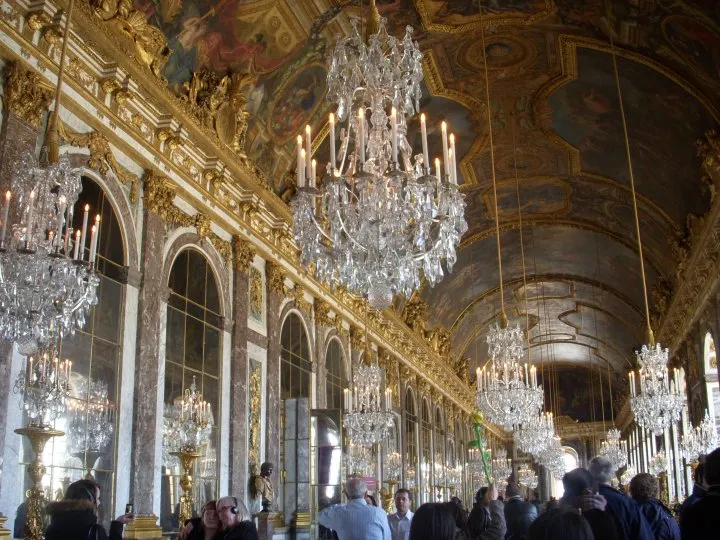
We have too many mirrors
I settle down in my car, post-commute, for five minutes’ peace and an obligatory scroll in the liminal space and time between work and home. Thanks to a sometimes-spot-on-other-times-terrible algorithm, I’m treated to months-delayed photos of my friend’s trip to Thailand, a video capturing ‘5 books for eldest daughters’, a throwback clip of Blair Waldorf in CW’s Gossip Girl TV adaptation, a commentary creator’s video critiquing Blair Waldorf, then another critique of the meal I made for dinner last night, inspired by a recipe I found on Instagram too.
I cut my five minutes short: the Internet has torn me apart without even knowing it. All of a sudden, I want to go on holiday, I am called out for being an eldest daughter and required reading for the role, I’m a terrible person for loving Gossip Girl and I’ve also scratched years off my life for making dinner.
Apparently.
The thing about living in 2026 is that, by breakfast, you could’ve easily seen a 4:5 window into a couple of hundred people’s lives. By lunch, that includes the opinions, experiences and conversations with some more. By dinner, especially if you select the eat-and-Netflix disassociating special, you’ve completely over-consumed curated snapshots of other people’s lives, clips of your favourite TV shows/movies/books, unsolicited opinions about said favourite TV shows/movies/books, parallels of them all – then you’re left spiralling between the different versions of what you knew to be true.
We were not made to be this visible.
Moreover, in an ordinary world not encumbered by phones, we’d only be privy to the opinions of those you immediately surround yourself with, plus your boss a couple of times a year. Were we made to hear the voices of so many, offering opinions on how we live our one wild lives? Were we really made to be commented on all the time? It isn’t until I sit down with my journal, a few times each week, that I realise I’m constantly treading a tightrope between what I want to do and how others will see me doing it.
Yet, a capitalist world requires every inch of us to be seen, used and thrown around like a commodity. We’re examined ruthlessly by algorithms, by our peers, and by the very content we consume, spat out after use, and then left to self-obsess into oblivion. Why hasn’t that dream product given me the exact results promised? What’s wrong with me? The ad promised. The algorithm saw me.
That’s not to mention how the reduction of third spaces has chipped away at our chances to languish in community and feel uplifted and celebrated and able to simply connect face-to-face. Soon, it becomes self-fulfilling – we become a product of the products we were sold. A step towards the promise of being more, what? Palatable? Part of the crowd? In the demographic somebody tapped into the targeted ad? Self-serving? Ironically, it’s left us far too individualistic and indulgent in our selves. Now, we’re beyond the mirrors of their making and confronted with those of our own.
After spending all of my twenties oversharing online and being part of the influencer industry (I’m sorry again!), I am always grateful for the stretches of time I enjoy offline entirely. I watch Gossip Girl on DVD – thanks millennial self for collecting boxsets and being totally unable to let go of treasured possessions! – and I journal by hand and I read physical books and I visit my local library and I tend to our garden and I talk to my colleagues and friends IRL about the things I’ve consumed. I feel alive in the very best way, and it lifts me in a way that does allow me to show up online here (literally, just here!) and there. I can’t help but wonder and worry about the lasting effects of never simply sitting with your own ideas and thoughts, luxuriating in your own favourite things and interests, enjoying non-parasocial conversations about them, and simply being buoyed and supported by the community you chose for yourself.


