The Books I Read in August 2026
Happy September, my loves!
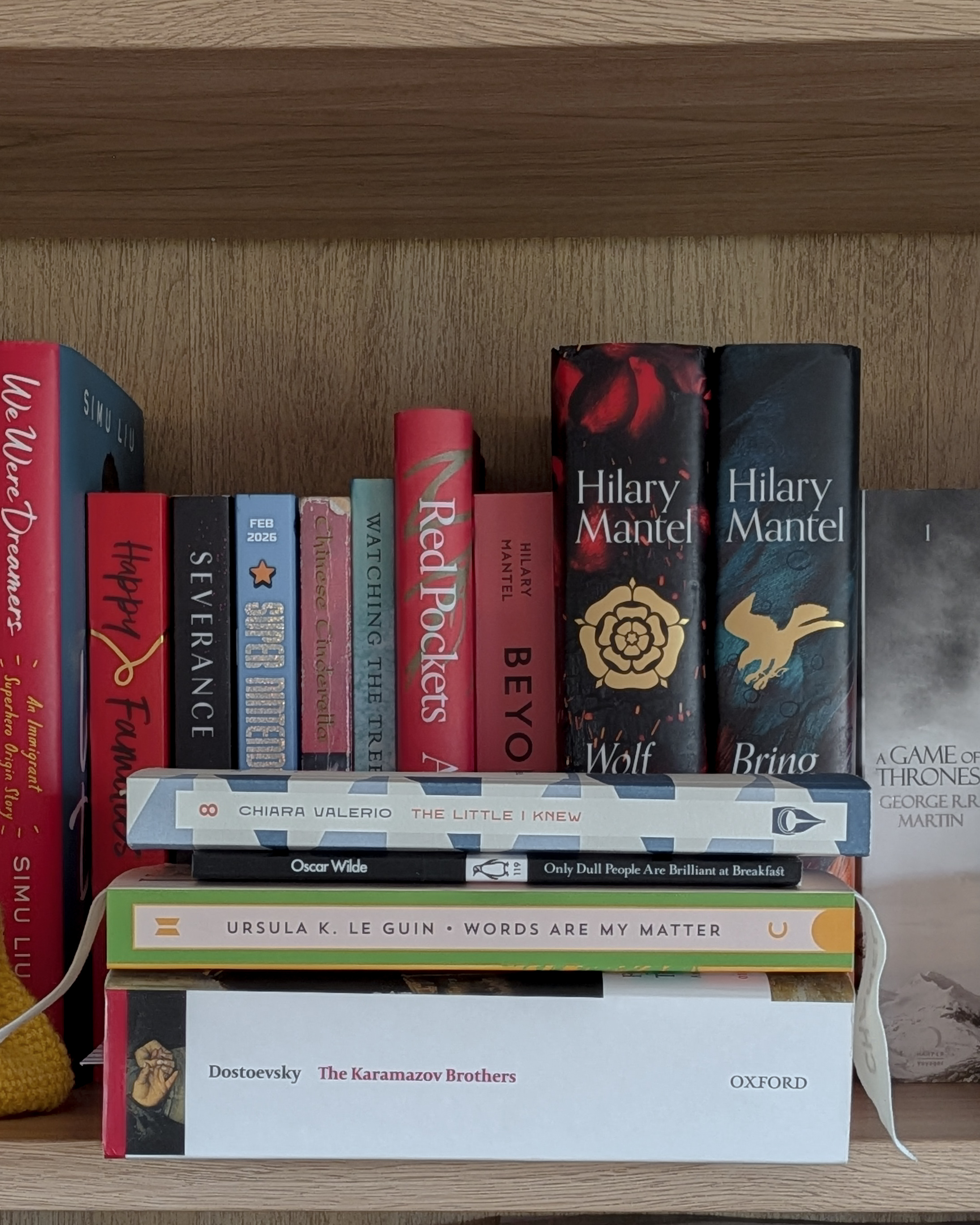
August was a big month of reading, although I don’t have much to report back on. You see, I decided to tackle The Brothers Karamazov by Fyodor Dostoevsky and that is one, big book. As I sit writing this month’s mini reviews, I’m just over halfway through the huge tome, and it’s certainly left an impression on me so far. It did mean that I ‘only’ finished reading two books this month. One an eagerly anticipated read by Elena Ferrante, and the other an equally anticipated read by a new-to-me Malaysian-Australian author. I gleaned a lot from both books and, for that reason, August was a big, successful month of reading. I hope I can finish The Brothers Karamazov in September, and move on to some other books that’ve been on my list for a while. How can we already be in the -ber months?!
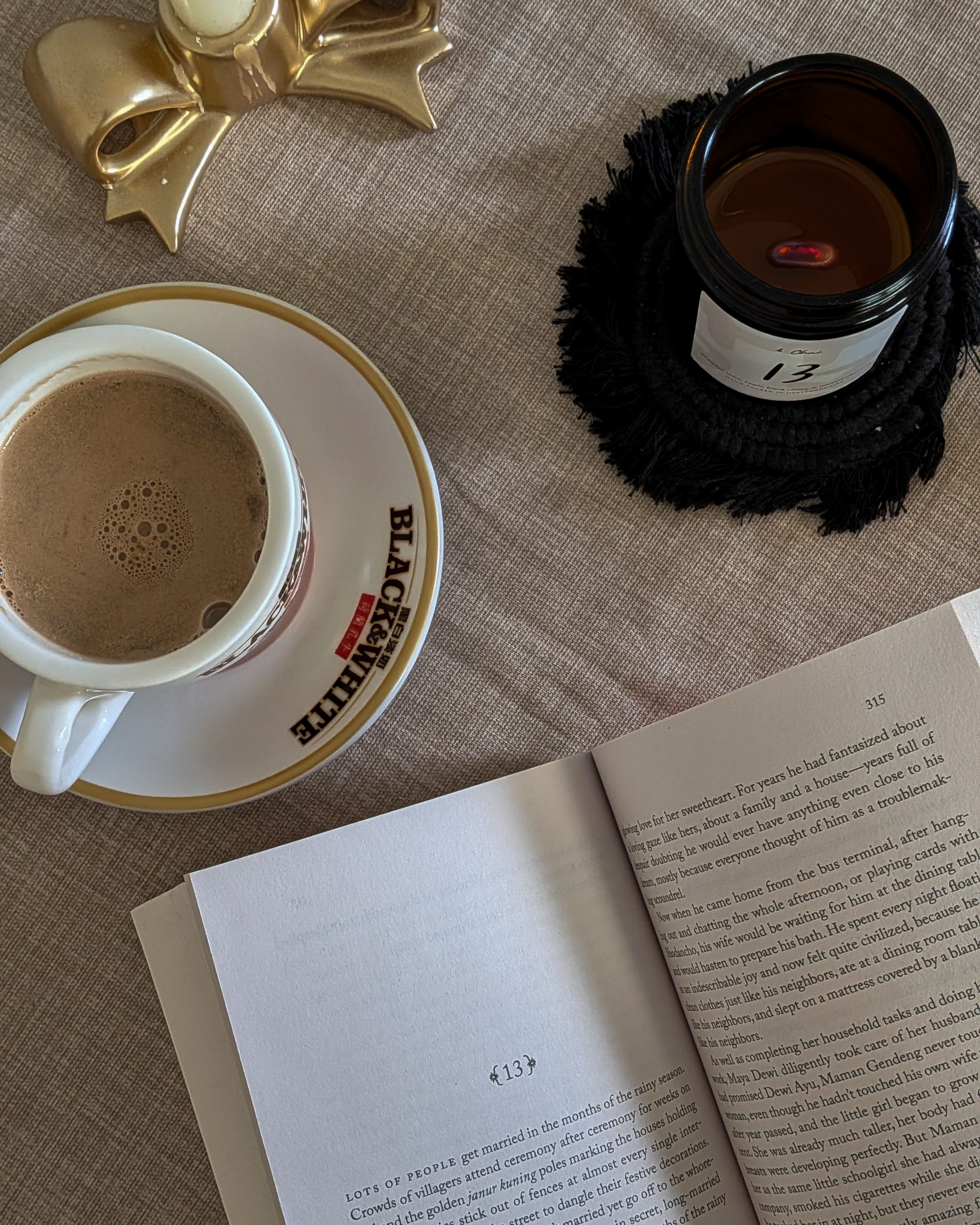
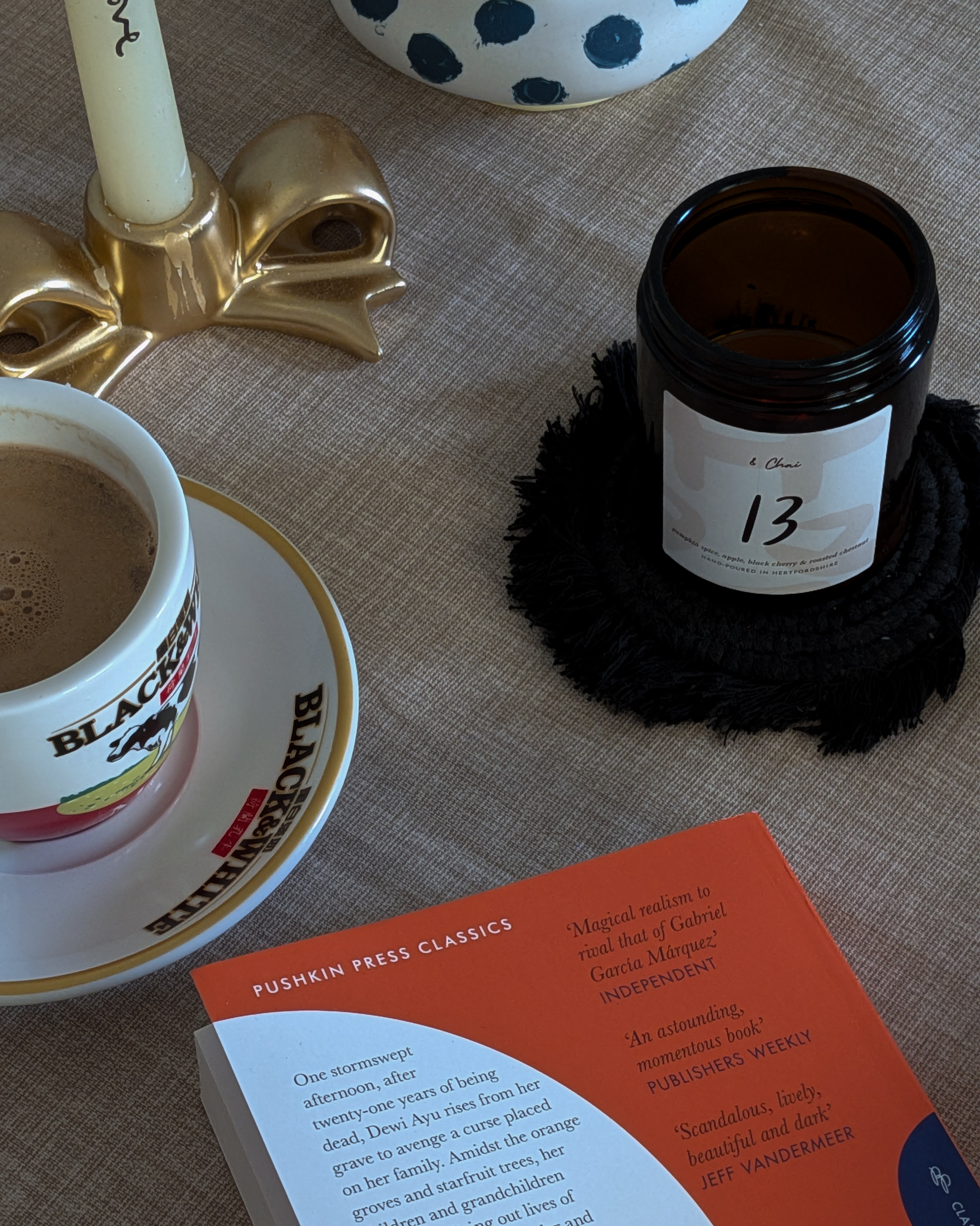
August reads
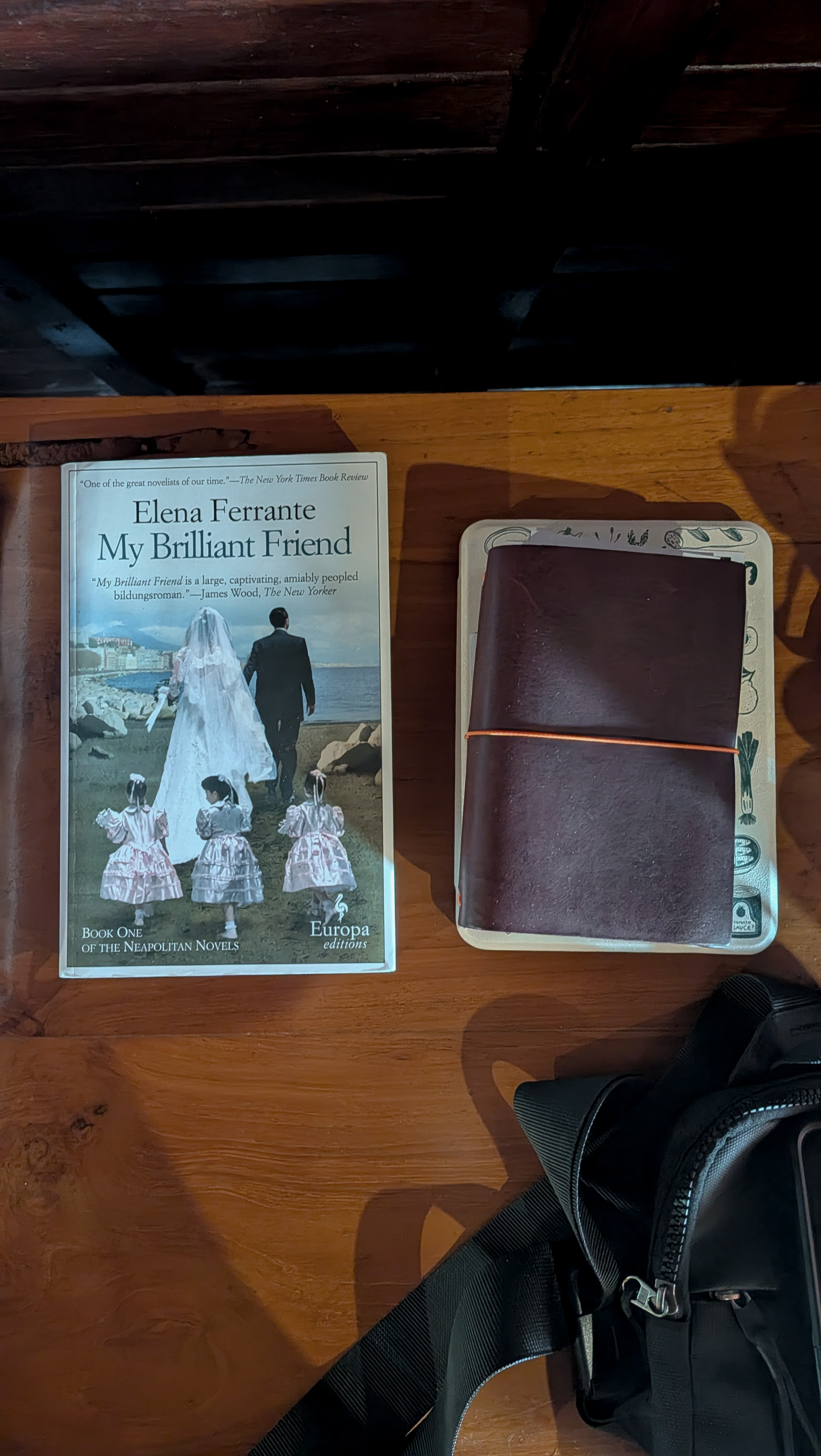
- My Brilliant Friend by Elena Ferrante
- Fierceland by Omar Musa (ARC)
September hopefuls
- The Brothers Karamazov by Fyodor Dostoevsky (started in July)
- Words Are My Matter by Ursula K. Le Guin
- The Little I Knew by Chiara Valerio
In review
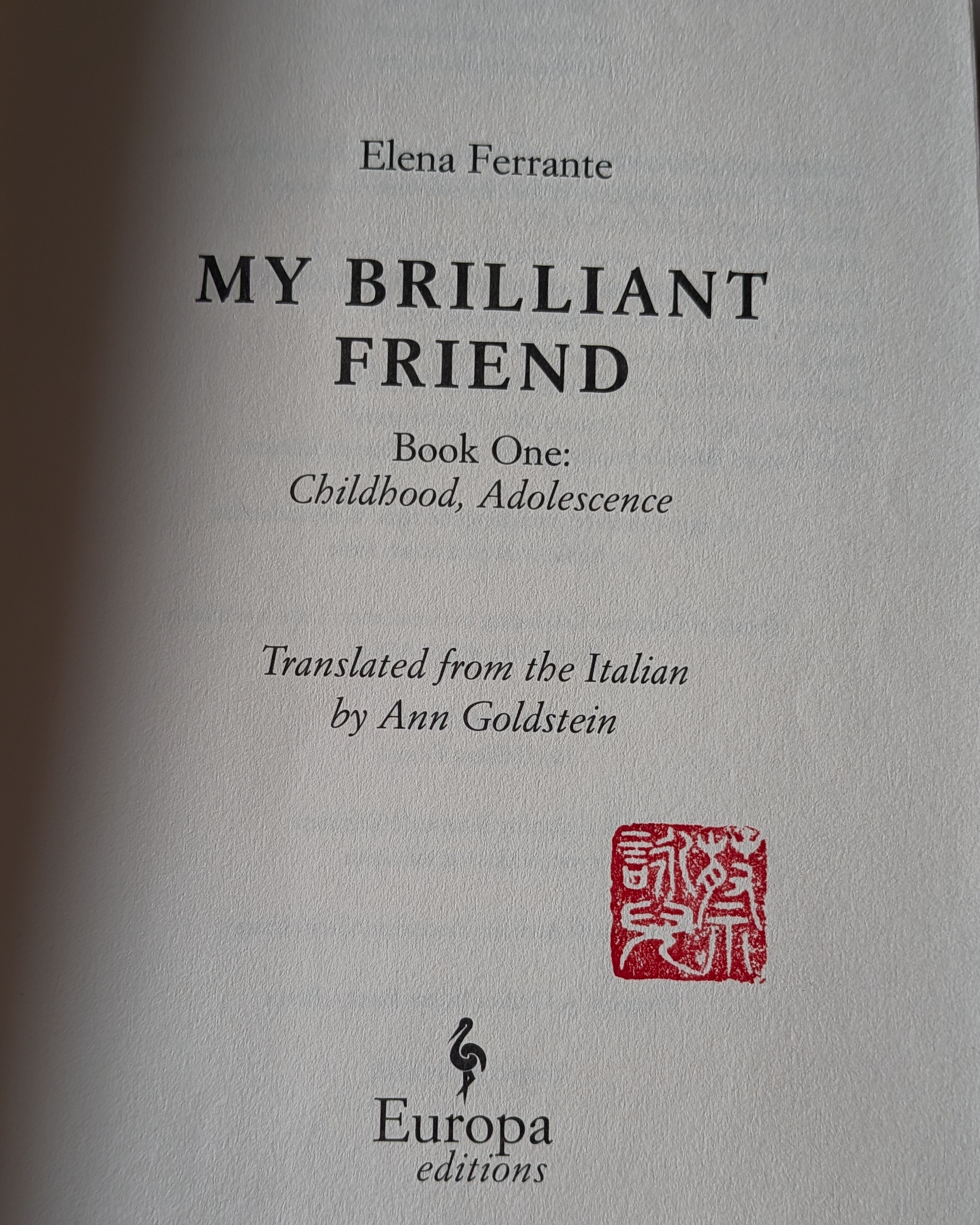
My Brilliant Friend by Elena Ferrante
Rating: 3.25 stars
Lounging on a beach in the balmy Bali sea air was the perfect place to experience Elena Ferrante’s much-loved My Brilliant Friend. The first in her Neapolitan Quartet, this book introduces us to Lila and Elena and is a depiction of girlhood and the friendship between women. To leave it at that feels reductive though; My Brilliant Friend feels like a diary, a heartfelt letter and a hastily scribbled note to a friend, all at the same time. Stories about friendship often resonate with me and this did too, although in ways I didn’t expect. First off, this isn’t written in the style that I usually so love and recommend. If you often find a kinship in the books I recommend, I’d bear that in mind!
Perhaps because of its literary thought daughter adjacency, I expected this to be a little more poetic and sweeping than it was. Instead, Ferrante is quite de rigeuer, using a more pedestrian-like manner to carefully depict 1950s Naples. This, she does to great effect, bringing to life a quiet Italian neighbourhood and its naive adolescents. Elena, our protagonist, is quiet, bookish, reserved and sheltered. She has a love for her best friend Lila that borders on obsession, and I appreciated the interiority of the voice in this book for this. Ferrante creates a friendship that is struck with jealousy and pre-teen angst and boy envy and all of the niggles that come with growing up as a girl. We see Elena’s innermost thoughts and her grapples with feeling so envious of a friend that is clearly dear to her in some way – Lila is placed on a pedestal throughout, creating a great foundation for what is to come next. I also appreciate the smaller, stolen moments in-between and, in fact, My Brilliant Friend does excel in its many small mundanities. I personally wanted a little more from this book and felt it dragged a little to get to where we end up. Onto the next in the quartet!
Fierceland by Omar Musa
Thanks Footnote Press and NetGalley for my advanced reader copy!
Rating: 4 stars
Perhaps it’s because I picked this up immediately after returning from Malaysia, but Fierceland struck me powerfully. This immersive, lush novel is set in Malaysian Borneo but also takes you across the globe in a weaving family saga. It begins with Roz and Harun’s childhood and some beautiful scene-setting in the rainforest, interspersed with The Legend of Zelda parallels and an adoring appreciation for Ursula K. Le Guin’s work, which I adored. Then, after many years abroad, Roz and Harun return home for the funeral of their father Yusef, a palm oil baron who built their family’s wealth by destroying large swathes of said rainforest… and a violent disappearance of a man that stood in his way.
Switching between past and present, we follow the siblings as they each reckon with their complicated relationships with their father; Yusef indelibly took something from the ancient rainforest. I loved the stark contrast between Roz and Harun’s languid childhood and the brutal truth of adulthood, as well as the way Musa seamlessly knits languages together. I also loved how this isn’t a neatly packaged family saga. It goes all over the place – something I briefly had an issue with towards the first third of the book – but, doesn’t real life do that too? With this, Musa creates a beautiful, often jarring, impression of Malaysian Borneo, and one that’ll stay with me for a while.
What was your favourite book from August? And, please share your own monthly bookish wrap-ups in the comments.